All published articles of this journal are available on ScienceDirect.

Relationship between Stress Level and Meaning-based Coping Style in Hemodialysis Patients in Kerman in 2023
 Mohammad Moqaddasi Amiri4
Authors Info & Affiliations
Abstract
Background
Hemodialysis patients face multiple physical, psychological, and social stressors that adversely affect quality of life. Coping strategies, especially meaning-based coping, are thought to play a vital role in managing these stressors. This study examined the relationship between stress level and meaning-based coping style among hemodialysis patients in Kerman, Iran.
Methods
A cross-sectional study was conducted from July to September 2023 across four hospitals. A total of 334 patients undergoing maintenance hemodialysis were recruited through convenience sampling. Data were collected using a demographic questionnaire, the Baldree Hemodialysis Stress Questionnaire, and the Meaning-Based Coping Style Questionnaire. Analyses were performed with SPSS version 20 using appropriate statistical tests.
Results
Participants included 176 men (52.7%) and 158 women (47.3%), with a mean age of 54.8 ± 15.4 years. Most were married (68.3%), and 82.0% reported comorbid disease. Moderate stress was reported by 61.5% of patients, mild stress by 25.2%, and severe stress by 13.3%. Stress was significantly higher among women, those with lower education, and patients with comorbidities. Meaning-based coping was more common among women, divorced or widowed individuals, and those aged 40-50 years. Stress was positively correlated with meaning-based coping, particularly revised goals (r = 0.42, p < 0.001) and positive reappraisal (r = 0.23, p = 0.009).
Discussion
Meaning-based coping, especially positive reappraisal and revised goal-setting, is important in managing stress in hemodialysis patients. These strategies may help patients better adapt to chronic kidney disease and dialysis-related challenges. The findings support the value of strengthening adaptive coping in clinical care.
Conclusion
Improving meaning-based coping through psychosocial and educational interventions may enhance stress management and psychological well-being in hemodialysis patients and contribute to a better quality of life.
1. INTRODUCTION
The most notable event in today's societies is the prevalence of chronic diseases. Chronic renal failure is one of the most common chronic diseases [1]. It is estimated that 8% of the global population is diagnosed with renal failure annually [2]. The prevalence of Chronic Kidney Disease (CKD) and End-Stage Renal Disease (ESRD) in Iran has been reported to be relatively high, with estimates approaching approximately 15-20% in some populations [3]. According to the announcement of the head of the Transplant and Special Diseases of the Ministry of Health, the growth rate of patients with kidney disease in Iran over the past 10 years was14%, and the growth rate of dialysis patients was 12% [1]. Patients undergoing dialysis face medical, psychological, and therapeutic complications, leading to restrictions in their physical, social, and psychological function. Psychological problems of these patients can be manifested as an increased level of stress [4]. Chronic stress has been shown to adversely affect multiple physiological and psychological systems in patients with chronic diseases, including those undergoing hemodialysis [5]. Lazarus and Folkman believe that stress stems proportionally from a complex and dynamic interaction between the individual and their surroundings [6]. The Lazarus and Folkman’s transactional model is one of the models that organizes the ways people employ to adapt to a chronic disease [7]. The main assumption of the model is that primary evaluation, secondary evaluation, and coping strategies mediate between stressors and stress outcomes in people, such that people choose and apply appropriate coping styles based on their interaction with others and their living environment [8]. Based on this model, there are three coping: problem-oriented, emotion-oriented, and meaning-oriented [9]. Meaning-oriented style instills positive emotions to maintain the coping process [6]. Meaning-based coping includes the aspects of positive reappraisal, revision of goals, spiritual beliefs and positive thinking. In all these cases, some kind of interpretation of stressful situations is performed in a meaningful way [8]. The results of the study conducted by Mafi et al. showed that most hemodialysis patients have moderate to severe stress [1]. Another study showed that hemodialysis patients employ various coping strategies that can improve their quality of life and their mood [10]. The beneficial effect of coping strategies on reducing stress has also been indicated in other studies [5]. Interestingly, another study found that people use religious and spiritual practices as coping mechanisms to overcome their depression, anxiety, and stress [4].
Coping with stress in patients with chronic diseases is a very important issue that demands further attention from researchers and community health planners in this area. According to the literature review, the focus of most articles that have investigated stress levels in hemodialysis patients has been mainly on emotion-focused and problem-focused coping styles. A thorough review of the literature revealed that no studies to date have specifically assessed stress levels using meaning-based coping styles in these patients.
Meaning-based coping style can serve as an effective framework for stress level interventions in hemodialysis patients. To further alleviate stress, policies and programs should be developed to strengthen the components of this coping style. Additional research is needed to evaluate the effectiveness of educational programs that employ appropriate theoretical models. Such models, emphasizing mental relaxation and rational behavior, may assist hemodialysis patients in coping with disease-related stressors and ultimately promote their overall health. Accordingly, this study aimed to examine the relationship between stress level and meaning-based coping style, grounded in Lazarus and Folkman’s transactional model, among hemodialysis patients in Kerman.
2. METHODS
This descriptive-analytical, cross-sectional study was conducted between July and September 2023 in four major hemodialysis centers in Kerman: Shafa Hospital, Javad Al-Aemeh Clinic, Afzalipour Hospital, and Basat Hospital. The study population consisted of patients with End-Stage Renal Disease (ESRD) undergoing maintenance hemodialysis. Inclusion criteria were as follows: age 18 years or older; history of hemodialysis treatment for at least three months; ability to communicate verbally and understand the Persian language; Patients with no documented history of severe psychiatric disorders (e.g., psychosis) were included, as confirmed through patient interviews and review of medical records; absence of major visual or auditory impairments as reported by the patients or their families; and provision of written informed consent. Patients who were unwilling to participate were excluded from the study.
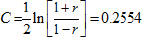
Given that one of the main objectives of the study was to determine the relationship between stress and spiritual beliefs in hemodialysis patients in Kerman, using the same study [11] and based on the sample size formula shown below, the calculated minimum sample size was 164 patients. To enhance the generalizability and sufficient statistical power of the study findings, a total of 334 patients were enrolled in the study. The subjects, using a convenience sampling method, were selected from hemodialysis patients in Kerman. Then, the data was analyzed by SPSS 20 software using descriptive and inferential statistics. A p-value below 0.05 was considered significant.
In this formula, the significance level is considered 5%, the power 90%, and r=0.25.

To conduct the study, ethical approval was first obtained from the Research Information System (Pazhoohan), and official authorization was granted by Kerman University of Medical Sciences. The researcher was permitted to collect data in the dialysis departments of Shafa Hospital, Javad Al-Aemeh Clinic, Afzalipour Hospital, and Basat Hospital. Following these approvals, the researcher attended the dialysis units across the four centers, introduced himself to the patients, explained the study objectives, and initiated data collection.
Questionnaires were administered approximately one hour after the start of dialysis, when patients’ conditions had stabilized, to provide uniform conditions for answering. The researcher approached each patient at the bedside, obtained written informed consent, and carefully observed all ethical principles throughout the process.
2.1. Data Collection Procedure
Data collection was performed during the hemodialysis sessions. The researcher attended different shifts in all four centers over two months. After introducing the study objectives and obtaining informed consent, participants were asked to complete the following three instruments:
- Demographic and clinical information form, which covered age, gender, education, marital status, monthly income, history of kidney disease, family history of kidney disease, history of kidney transplantation, and comorbid chronic diseases such as diabetes or hypertension.
- Baldree Hemodialysis Stress Questionnaire, consisting of 29 items scored on a 5-point Likert scale ranging from 0 (no stress) to 4 (severe stress). Stressors are divided into two categories: physiological (6 items) and psychosocial (23 items). The total score ranges from 0 to 116, with higher scores indicating greater stress. Stress levels were categorized as mild (0-40), moderate (41-80), and severe (81-116). The reliability of the instrument has been confirmed in previous studies [12], with Cronbach’s alpha reported at 0.89. In the present study, Cronbach’s alpha for this questionnaire was 88.8%.
- Meaning-Based Coping Style Questionnaire, which includes 19 items in four domains: positive reappraisal (6 items), revised goals (3 items), spiritual beliefs (5 items), and positive thinking (5 items). Items are scored on a 4-point Likert scale (never = 1, rarely = 2, sometimes = 3, always = 4), with higher scores reflecting greater use of meaning-based coping. Question 15 is reverse-scored. The total score ranges from 19 to 76, converted to a 0-100 scale for interpretation. The instrument demonstrated acceptable validity and reliability, with satisfactory internal consistency indicated by a Cronbach’s alpha coefficient of 0.789 in the present study.
For illiterate participants, the researcher read the items aloud and recorded their responses. For literate patients who preferred not to fill in the form themselves, the researcher also assisted by reading the questions and marking the answers according to the patients’ responses. On average, each questionnaire took about 20 minutes to complete. To minimize response bias, data collection was performed approximately one hour after the start of dialysis, when patients’ conditions had stabilized.
2.2. Ethical Considerations
Ethical approval for this study was obtained from the Ethics Committee of Kerman University of Medical Sciences (code: IR.KMU.REC.1402.078). Permissions to conduct the study were also secured from the administration of the participating hospitals and dialysis centers. All participants were informed about the aims of the research, assured of the confidentiality of their information, and informed that participation was voluntary. Written informed consent was obtained from each participant before enrollment.
2.3. Statistical Analysis
Data were analyzed using SPSS version 20. Descriptive statistics (frequency, percentage, mean, and standard deviation) were used to summarize the demographic and clinical characteristics. The Kolmogorov-Smirnov test was applied to assess the normality of the distributions. Independent t-tests were used to compare mean scores between two groups, while one-way ANOVA with LSD post hoc test was employed for comparisons among more than two groups. Pearson’s correlation coefficient was used to assess the relationships between stress levels and domains of meaning-based coping. A p-value < 0.05 was considered statistically significant.
3. RESULTS
A total of 334 hemodialysis patients participated in the study, of whom 158 (47.3%) were female, and 176 (52.7%) were male. The mean age of participants was 54.8 ± 15.4 years, ranging from 18 to 85 years. The average duration of dialysis treatment was 61.2 ± 52.8 months (minimum 3 months, maximum 360 months).
3.1. Demographic Characteristics
As shown in Table 1, the largest proportion of participants were aged over 60 years (43.1%), most were married (68.3%), and the majority reported a history of comorbid chronic disease (82.0%). Approximately one-third of the participants had a family history of kidney disease. Stress (p=0.200) and COPE (p=0.200) followed a normal distribution.
| Variable | Number | Percent (%) |
|---|---|---|
| Age group (years) | ||
| ≤ 40 | 70 | 21.0 |
| 40-50 | 48 | 14.4 |
| 50-60 | 72 | 21.6 |
| > 60 | 144 | 43.1 |
| Gender | ||
| Female | 158 | 47.3 |
| Male | 176 | 52.7 |
| Education level | ||
| Illiterate | 52 | 15.6 |
| Elementary | 66 | 19.8 |
| Secondary (guidance) | 60 | 18.0 |
| High school | 94 | 28.1 |
| University | 62 | 18.6 |
| History of kidney transplantation | ||
| Yes | 32 | 9.6 |
| No | 302 | 90.4 |
| History of kidney disease | ||
| Yes | 76 | 22.8 |
| No | 258 | 77.2 |
| Marital status | ||
| Single | 48 | 14.4 |
| Married | 228 | 68.3 |
| Divorced/Widowed | 58 | 17.4 |
| Comorbid chronic disease | ||
| Yes | 274 | 82.0 |
| No | 60 | 18.0 |
| Monthly income (Tomans) | ||
| < 8 million | 240 | 72.3 |
| 8-13 million | 70 | 21.1 |
| > 13 million | 24 | 6.6 |
| Family history of kidney disease | ||
| Yes | 102 | 30.5 |
| No | 232 | 69.5 |
3.2. Stress Levels across Demographic Groups
The comparison of stress level and meaning-based coping scores across demographic variables is presented in Table 2. According to the table, stress levels were higher among women than men, among participants with primary education, in those with underlying chronic conditions, and in divorced or widowed individuals. Patients aged 50-60 years showed the highest stress levels compared with other age groups. In addition, the mean stress score varied across income categories, with participants earning below 8 million tomans reporting the highest levels of stress.
| Variable | Stress Management (Mean ± SD) | p-value | Meaning-based Coping (Mean ± SD) | p-value |
|---|---|---|---|---|
| Gender | ||||
| Male | 51.40 ± 21.97 | 0.034* | 54.33 ± 19.10 | 0.001* |
| Female | 59.47 ± 21.28 | 63.24 ± 16.86 | ||
| Education level | 0.282** | 0.054** | ||
| Illiterate | 54.74 ± 22.68 | 56.15 ± 17.72 | ||
| Elementary | 47.89 ± 21.20 | 64.17 ± 20.91 | ||
| Secondary (guidance) | 54.64 ± 23.33 | 51.92 ± 19.25 | ||
| High school | 60.29 ± 22.07 | 56.85 ± 14.00 | ||
| University | 54.19 ± 20.12 | 60.87 ± 17.24 | ||
| Marital status | 0.545** | 0.240** | ||
| Single | 49.22 ± 22.29 | 52.68 ± 20.51 | ||
| Married | 54.65 ± 21.96 | 59.12 ± 18.59 | ||
| Divorced/Widowed | 59.33 ± 22.34 | 60.85 ± 16.40 | ||
| Age group (years) | 0.060** | 0.440** | ||
| ≤ 40 | 58.57 ± 20.58 | 56.84 ± 20.26 | ||
| 40-50 | 64.10 ± 15.38 | 57.45 ± 17.70 | ||
| 50-60 | 56.84 ± 20.26 | 61.32 ± 18.94 | ||
| > 60 | 57.45 ± 17.70 | 50.18 ± 20.18 | ||
| Underlying disease | 0.290* | 0.920* | ||
| Yes | 60.77 ± 21.87 | 59.02 ± 17.18 | ||
| No | 52.38 ± 25.69 | 58.58 ± 17.71 | ||
| Kidney transplant history | 0.540* | 0.310* | ||
| Yes | 61.32 ± 18.94 | 49.89 ± 23.88 | ||
| No | 50.18 ± 20.18 | 57.58 ± 20.07 | ||
| Monthly income (Tomans) | 0.010** | 0.300** | ||
| < 8 million | 58.17 ± 22.69 | 59.78 ± 18.30 | ||
| 8-13 million | 44.28 ± 17.18 | 54.08 ± 10.64 | ||
| > 13 million | 52.78 ± 19.62 | 58.22 ± 20.49 | ||
| History of kidney disease | 0.840* | 0.310* | ||
| Yes | 54.13 ± 27.18 | 60.78 ± 14.74 | ||
| No | 55.08 ± 19.60 | 57.58 ± 20.07 | ||
| Family history of kidney disease | 0.400* | 0.443* | ||
| Yes | 54.16 ± 22.51 | 56.44 ± 20.79 | ||
| No | 55.01 ± 21.88 | 59.12 ± 17.92 |
Note: *two independent samples t-test.
**one-way analysis of variances.
The independent samples t-test showed significant differences in stress management scores based on gender (p = 0.034) and the presence of an underlying disease (p = 0.290), but not for history of kidney disease or family history of kidney disease. Meaning-based coping was also significantly different between men and women (p = 0.001). The one-way ANOVA indicated that stress levels differed significantly across income groups (p = 0.010), as well as marginally across education categories and age groups. According to the LSD post-hoc test, the significant difference in stress levels was specifically observed between participants with a monthly income below 8 million tomans and those earning 8-13 million tomans (p = 0.003).
3.3. Coping Styles across Demographic Groups
As summarized in Table 2, meaning-based coping scores were higher among women, those in the 40-50 age group, and divorced or widowed individuals. These findings mirror the patterns observed in the original smaller sample, indicating consistency in coping style distributions despite the expanded sample size.
3.4. Correlation Between Stress and Coping
The correlation analysis, shown in Table 3, demonstrated a significant positive association between stress levels and meaning-based coping. The strongest correlations were observed in the domains of revised goals (r = 0.42, p < 0.001) and positive reappraisal (r = 0.23, p = 0.009). No significant association was found with spiritual beliefs or positive thinking.
| Variable | Positive Reappraisal | Revised Goals | Spiritual Beliefs | Positive Events | Meaning - based Coping | |
|---|---|---|---|---|---|---|
| Correlation | Stress | 0.225 | 0.421 | 0.138 | -0.009 | 0.264 |
| p-value | 0.009 | <0.001 | 0.11 | 0.914 | 0.002 | |
3.5. Stress Level Categorization
As displayed in Table 4, the majority of patients experienced moderate stress. Specifically, 167 patients (61.5%) reported moderate stress, 68 patients (25.2%) reported mild stress, and 36 patients (13.3%) experienced severe stress. These proportions were nearly identical to the original study with a smaller sample size, reinforcing the stability of the findings.
| Stress Level | Number | Percent (%) |
|---|---|---|
| Mild | 68 | 25.2 |
| Moderate | 167 | 61.5 |
| Severe | 36 | 13.3 |
4. DISCUSSION
This study aimed to determine the relationship between stress level and meaning-based coping style in hemodialysis patients. The present study showed that the level of stress in most patients was moderate. In agreement with the present study, Dhungana et al. showed that hemodialysis patients experience moderate levels of stress [13]. It appears that previous experience of hemodialysis and exchanging experiences with fellow patients may be associated with moderate stress levels in this population. The present study showed that there is a significant relationship between gender and stress level. The study by Tu et al. demonstrated that overall stress levels and coping strategies did not differ significantly by gender; however, female patients tended to experience higher levels of psychosocial stress compared with their male counterparts [14]. However, another study showed no substantial relationship between stress and gender in hemodialysis patients, which was inconsistent with the results of the present study [15]. Women with a genetic background, a history of fear and phobias, environmental incidents, and low self-esteem tended to report higher stress levels. Furthermore, hemodialysis women reported higher perceived demands due to multiple roles and responsibilities, including being a wife, motherhood, career-related responsibilities, and housekeeping. A considerable amount of time spent on dialysis, as well as economic problems, which are sometimes beyond the patient’s control, were associated with higher reported stress levels in women compared with men. The findings indicated a significant relationship between income and stress. However, the study by Yousefi et al. showed that there was no significant relationship between stress and income level in patients with gastrointestinal cancer, which was not in line with this study [16]. This inconsistency can be attributed to the difference in the data collection tools and the subject group.
In this study, there was a significant relationship between meaning-based coping style and gender. Although no studies were identified that specifically examined meaning-based coping in relation to gender among hemodialysis patients, previous research in this population has consistently demonstrated gender-related patterns in coping strategies [17]. Evidence suggests that women are more likely to use emotion-focused and meaning-oriented coping strategies, whereas men tend to rely more on problem-focused or avoidance coping styles [18]. Systematic reviews further indicate that coping in hemodialysis patients often includes emotional regulation, spiritual coping, and cognitive reappraisal processes [19].
These findings highlight that gender influences coping patterns, but general trends may be similar across patient populations. In this study, the meaning-based coping style in women was higher than in men, perhaps because of higher acceptance, adaptation, spiritual beliefs, and positive thinking in women, which may have contributed to higher scores in the substructures and the total score of the meaning-based coping style. The findings revealed that there is a significant association between stress level and positive reappraisal. Gillanders et al. showed that there was a significant positive correlation between positive reappraisal and mental health in hemodialysis patients [20]. Finkelstein's study also found that positive reappraisal often benefits a person's identity when dealing with the consequences of a potentially damaging HIV diagnosis. These findings suggest that positive reappraisal is associated with better health outcomes and self-management in patients with HIV [21]. A study by Nowlan et al. found that positive reappraisal was associated with positive emotions in the elderly, but not with negative emotions [22]. In fact, positive reappraisal was associated with reassessment of stressful situations and recognizing potential benefits and positive aspects in these experiences. This can highlight the positive aspects of people in controlling the stress that has developed.
The findings also indicated a meaningful relationship between stress level and revision of goals. Perhaps the reason for the significant relationship between stress level and goal revisions is that people establish their decisions, intentions, and actions upon their beliefs. Revising goals based on personal beliefs was associated with lower stress levels among study participants.
The results of this study showed that there is no significant correlation between stress level and spiritual beliefs. However, Najafi et al. showed that in people with chronic diseases, spiritual well-being had a significant effect on coping with the disease and its remission [11]. Sadeghifar et al. demonstrated that there was a significant negative relationship between spiritual components and depression and stress in dialysis patients [23]. Bonilla Sierra et al. also reported that there was a remarkable association between spirituality and resilience in hemodialysis patients [24]. Pham et al. showed that spiritual participation serves as a tool for processing the narrative of a person's life and their influence on life, and by constructing a narrative of life around positive meaning, participants experienced a strong desire to improve and self-care for their chronic kidney disease [25]. Since a large number of studies have reported a positive relationship between stress level and religious beliefs, it seems that one reason for the lack of consistency between the present study's findings and other studies was the smaller sample size, restricted to two dialysis centers. It should be noted that although different environments, economic, social, and cultural conditions can influence the results, they have not been the focus of this study.
In this study, no significant relationship was observed between stress level and positive thinking. Evidence from studies in hemodialysis patients indicates an inverse relationship between perceived stress and positive cognitive coping strategies, such as positive reappraisal and adaptive thinking. Higher stress levels are associated with reduced use of positive thinking and adaptive coping mechanisms, suggesting that psychological distress may limit positive cognitive engagement [18, 26].
The lack of meaningful association between stress level and positive thinking in this study may be due to less optimistic attitudes, thoughts, and behaviors in hemodialysis patients, which can reduce attention to positive aspects and increase focus on negative aspects of life. Despite the impact of the environment, economic, social, and cultural conditions on positive thinking, these factors were not included in our assessment.
The findings suggested an association between stress level and meaning-based coping, indicating that people who reported using meaning-based coping structures (e.g., positive reappraisal, revision of goals, spiritual beliefs, and positive thinking) also reported lower stress levels.
5. STRENGTHS AND LIMITATIONS
In the present study, a specific questionnaire was used to assess the meaning-based coping style in hemodialysis patients, but in most studies, general questionnaires were used. This cross-sectional study fails to determine the way the relationship is formed between stress level and meaning-based coping style (i.e., whether stress affects coping style or coping style affects the level of stress). The statistical population only includes hemodialysis patients, and patients undergoing peritoneal dialysis have not been considered. In this study, a questionnaire was used. In general, some people may refuse to provide the actual answer and may provide unrealistic responses to the questions. However, in this study, sufficient information and assurance were provided to the study subjects about observing the principle of confidentiality, which helped to obtain more realistic responses.
CONCLUSION
The stress and coping with it in patients with chronic diseases is a very important issue and demands more attention from researchers and community health planners. Meaning-based coping style can be used for stress level interventions in hemodialysis patients. In this respect, policies and programs can be considered to strengthen the structures of this coping style in order to better manage stress. Designing, planning, and implementing appropriate educational interventions with the emphasis on meaning-based coping by health care providers is regarded as an appropriate step to manage stress in hemodialysis patients. It is suggested that future research focus on implementing educational interventions aimed at reducing stress levels for hemodialysis patients, helping them cope with stress, practice self-care, and maintain mental well-being. Further studies should explore the relationship between different aspects of meaning-based coping and social support in this population. Additionally, conducting research in collaboration with the Treatment Deputy in private hospitals could provide valuable insights into improving the care and outcomes of hemodialysis patients.
AUTHORS' CONTRIBUTIONS
The authors confirm contribution to the paper as follows: E.J.: has designed the study, analyzed and interpreted the data, and drafted the manuscript; A.I.: Supervised the study and helped with data analysis and manuscript preparation; M.M.A.: Helped with data analysis and manuscript preparation; S.A.: Literature search, drafting the manuscript, and interpretation of results. All the authors read and approved the final manuscript.
LIST OF ABBREVIATIONS
| ESRD | = End-Stage Renal Disease |
| SPSS | = Statistical Package for the Social Sciences |
| ANOVA | = Analysis of Variance |
| BHSQ | = Baldree Hemodialysis Stress Questionnaire |
| MBCSQ | = Meaning-Based Coping Style Questionnaire |
ETHICS APPROVAL AND CONSENT TO PARTICIPATE
Before commencement of the study, ethical approval was obtained from the Ethics Committee of Kerman University of Medical Sciences, Iran with the ethics approval code: IR.KMU.REC.1402.078.
HUMAN AND ANIMAL RIGHTS
All human research procedures followed were in accordance with the ethical standards of the committee responsible for human experimentation (institutional and national), and with the Helsinki Declaration of 1975, as revised in 2013.
CONSENT FOR PUBLICATION
Written informed consent was obtained from all participants prior to enrollment in the study.
AVAILABILITY OF DATA AND MATERIALS
The data supporting the findings of this study are available from the corresponding author [S.A] upon reasonable request. The data are not publicly available due to privacy and ethical restrictions related to participant confidentiality.
FUNDING
This work was supported by Kerman University of Medical Sciences, Iran under grant number 402000070. The funding body had no role in the design of the study, data collection, data analysis, interpretation of data, or writing of the manuscript.
ACKNOWLEDGEMENTS
We acknowledge all the officials of Kerman University of Medical Sciences, Iran, the hemodialysis centers, and all the patients who participated in this study.